

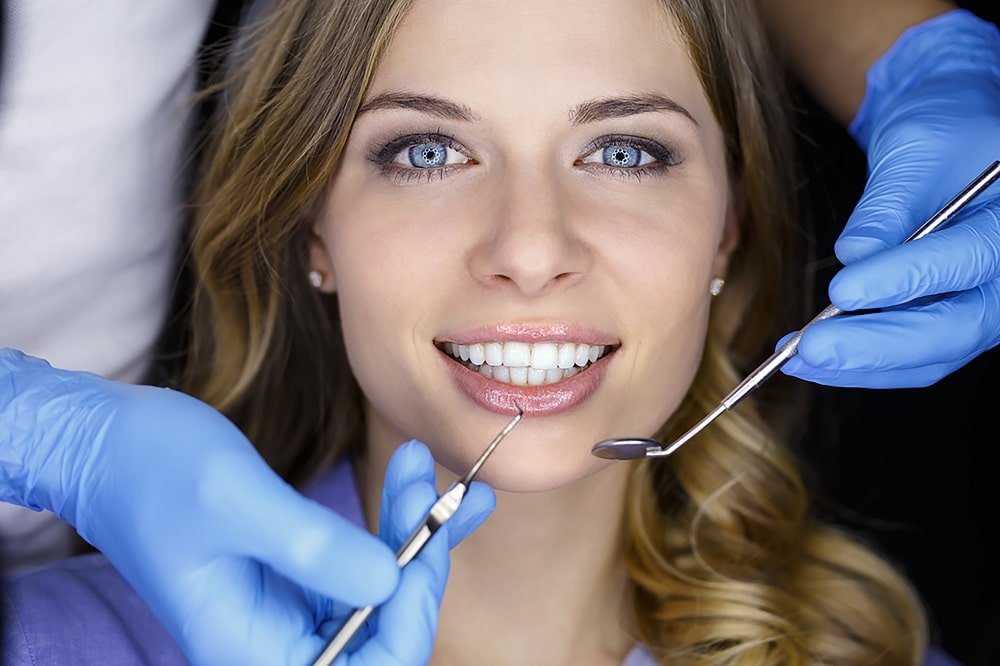
A healthy, bright smile can dramatically improve personal confidence, professional presence, and overall self-esteem. Over the last few decades, cosmetic dentistry has evolved from high-cost luxury procedures into accessible, highly customized treatments designed to correct a wide array of aesthetic imperfections. Modern aesthetic dentistry focuses not only on visual appeal, but also on structural integrity, bite harmony, and long-term oral health.
Whether you are looking to address minor surface discoloration, repair chipped teeth, align uneven spacing, or undergo a complete smile transformation, understanding your available options is the first step. This guide explores the primary cosmetic dental procedures, their specific benefits, what to expect during treatment, and how to maintain your results over time.
Understanding Modern Cosmetic Dentistry
Unlike traditional dentistry, which focuses primarily on diagnosing, preventing, and treating oral disease, cosmetic dentistry focuses on enhancing the visual appearance of your teeth, gums, and overall bite. However, the line between functional restorative dentistry and cosmetic dentistry frequently overlaps.
Many contemporary cosmetic procedures also improve oral health. For example, replacing a damaged or heavily decayed tooth with a porcelain crown restores optimal chewing function while simultaneously improving color and shape. Aligning crooked teeth eliminates tight spaces that trap plaque, reducing the risk of gum disease and tooth decay while creating a straight, symmetrical smile.
Professional Professional Teeth Whitening
Teeth whitening remains the most popular and accessible cosmetic dental procedure available today. Over time, natural teeth absorb pigments from food, dark beverages like coffee and tea, tobacco use, and standard aging, leading to deep intrinsic and extrinsic stains.
In-Office Professional Whitening
In-office whitening treatments offer dramatic results in a single visit, often lightening teeth by several shades in about an hour. Dentists use high-concentration hydrogen peroxide or carbamide peroxide gels activated by specialized light sources. Before applying the whitening agent, the dental team protects your gums and soft tissues with a protective barrier to minimize sensitivity and irritation.
Custom Take-Home Whitening Kits
For patients who prefer a gradual transformation or wish to perform touch-ups at home, custom whitening trays provide a safe and effective option. Your dentist takes detailed impressions of your teeth to fabricate custom-fitted flexible trays. You then apply a professional-grade whitening gel inside the trays and wear them daily for a specified period, typically over two to three weeks.
Dental Veneers: Porcelain and Composite
Dental veneers are ultra-thin, custom-crafted shells designed to cover the front surface of teeth. They serve as a comprehensive solution for correcting stubborn stains, worn enamel, chips, cracks, slight misalignment, or unwanted gaps.
Porcelain Veneers
Porcelain veneers are widely considered the gold standard for long-term smile makeovers. Crafted from high-grade ceramic materials, porcelain closely mimics the light-reflecting properties of natural tooth enamel and resists staining from food and drinks.
The installation process typically requires two appointments:
- Preparation: The dentist removes a tiny fraction of enamel from the front of the tooth, usually less than a millimeter, to accommodate the thickness of the shell.
- Impressions: Digital or physical molds are taken and sent to a specialized dental laboratory where skilled technicians craft your custom veneers.
- Bonding: Once returned, the dentist carefully checks the fit and color before permanently bonding the veneers to your teeth using high-strength dental cement.
Composite Veneers
Composite veneers involve applying a tooth-colored composite resin directly to the surface of the tooth. The dentist shapes, layers, and cures the resin using a specialized light before polishing it to a natural sheen. Composite veneers can often be completed in a single visit and require less enamel removal than porcelain options. While more affordable, they are generally less stain-resistant and have a shorter lifespan compared to high-grade ceramic veneers.
Dental Bonding for Minor Imperfections
Dental bonding provides a fast, non-invasive, and cost-effective fix for minor cosmetic flaws. Using the same durable composite resin material used in tooth-colored fillings, bonding restores broken edges, fills small gaps between teeth, or covers persistent spot discoloration.
During the bonding procedure, the dentist roughens the tooth surface slightly and applies a conditioning liquid. The pliable composite resin is then applied, sculpted into the ideal shape, and hardened with an ultraviolet light. The entire process takes roughly 30 to 60 minutes per tooth, requires no laboratory fabrication, and rarely requires local anesthesia unless being used to fill a decayed area.
Clear Aligners and Adult Orthodontics
Misaligned, overcrowded, or widely spaced teeth affect both appearance and long-term oral health. Traditional metal braces remain highly effective, but clear aligner systems have revolutionized adult orthodontics by offering a subtle, removable alternative.
How Clear Aligners Work
Clear aligner systems utilize a series of custom-made, transparent plastic trays generated from 3D digital scans of your mouth. Each set of trays is worn for one to two weeks, gradually applying gentle pressure to move specific teeth into desired positions.
- Aesthetic Discretion: The clear plastic construction renders the aligners nearly invisible during daily conversations and social interactions.
- Removability and Hygiene: Aligners are removed while eating, drinking anything other than water, brushing, and flossing, making it far easier to maintain excellent oral hygiene compared to traditional wired braces.
- Predictable Results: Advanced digital mapping software allows patients to view a virtual simulation of their projected treatment plan and final smile before starting the process.
Dental Implants and Aesthetic Tooth Replacement
Missing teeth significantly impact both facial structure and personal confidence. While traditional bridges and dentures offer functional replacement, dental implants provide the most natural-looking, durable, and structurally sound solution available.
A dental implant consists of a small titanium post that is surgically placed into the jawbone, where it acts as an artificial tooth root. Over a period of several months, a natural process known as osseointegration occurs, fusing the titanium post directly to the surrounding bone. Once healed, a custom-designed porcelain crown is attached via an abutment. The resulting restoration looks, feels, and functions just like a strong, natural tooth, preserving facial contour and preventing adjacent teeth from shifting out of alignment.
Dental Crowns and Inlays/Onlays
When a tooth is cracked, heavily worn, or weakened by extensive decay, simple bonding or veneers may not offer sufficient structural protection. In these cases, full dental crowns or partial coverage restorations like inlays and onlays provide the ideal balance of cosmetic renewal and functional reinforcement.
Modern crowns are typically fabricated from high-strength ceramics or zirconia that blend seamlessly with surrounding natural teeth. They completely encase the visible portion of the tooth above the gumline, restoring its natural shape, size, color, and strength.
Gum Contouring and Tissue Reshaping
A balanced smile involves more than just beautiful teeth; the symmetry and proportion of your gums play an equally important role. Some individuals present with a gummy smile, where excessive gum tissue covers a large portion of the teeth, making them appear short or uneven.
Using advanced soft-tissue dental lasers, dentists can perform precise gum contouring to remove excess tissue, reshape the gum line, and expose more of the natural tooth structure. Laser gum reshaping involves minimal discomfort, seals blood vessels during the procedure, and significantly speeds up the healing process compared to traditional scalpel techniques.
Frequently Asked Questions
Will cosmetic dental treatments cause permanent damage to my natural teeth?
When performed by a qualified cosmetic dentist, procedures are designed to protect and preserve your oral health. Treatments like teeth whitening, dental bonding, and clear aligners do not remove permanent enamel. While procedures like porcelain veneers and crowns require minimal enamel removal, this process is controlled and intended to ensure long-term structural integrity and a secure bond.
How long do porcelain veneers typically last before needing replacement?
With diligent oral hygiene and regular professional dental check-ups, high-quality porcelain veneers typically last between 10 and 15 years, and often longer. Avoiding habits like biting hard objects, grinding your teeth, or using your teeth as tools helps maximize their lifespan.
Are cosmetic dental procedures covered by standard health or dental insurance?
Most standard dental insurance plans consider cosmetic procedures to be elective and do not cover treatments performed solely to improve appearance, such as professional whitening or cosmetic veneers. However, if a procedure provides necessary structural or functional benefits, such as a crown following a fracture or orthodontic treatment to correct a functional bite issue, partial insurance coverage may apply.
Can I get my teeth whitened if I already have crowns, veneers, or fillings?
Professional whitening agents are formulated to work exclusively on natural tooth enamel. They do not lighten ceramic, porcelain, or composite materials used in existing crowns, veneers, or tooth-colored fillings. If you plan to undergo whitening alongside other cosmetic restorations, it is best to complete the whitening process first so your dentist can match the shade of your new restorations to your brighter natural teeth.
What is the difference between a dental crown and a porcelain veneer?
A porcelain veneer is a thin shell that covers only the front and biting edge of a tooth, requiring minimal surface enamel removal. It is primarily used for aesthetic enhancements on visible front teeth. A dental crown completely covers the entire visible structure of the tooth down to the gumline, requiring more extensive tooth preparation to provide full structural support and protection for a weakened or damaged tooth.
How do I know if I am a good candidate for clear aligner treatment?
Good candidates for clear aligners include adults and teenagers with mild to moderate orthodontic issues, such as minor overcrowding, spacing gaps, or mild bite misalignments, who have healthy teeth and gums free of untreated decay or active periodontal disease. A comprehensive consultation and 3D digital scan with a dentist or orthodontist will determine if clear aligners suit your specific structural needs.
What steps should I take to maintain my cosmetic results over the long term?
Maintaining cosmetic dental work requires consistent daily care. Brush at least twice a day with a non-abrasive fluoridated toothpaste, floss daily, and visit your dentist twice a year for professional cleanings and examinations. If you grind your teeth at night, wearing a custom-fitted nightguard protects veneers, crowns, and natural teeth from excessive wear and fracture.