

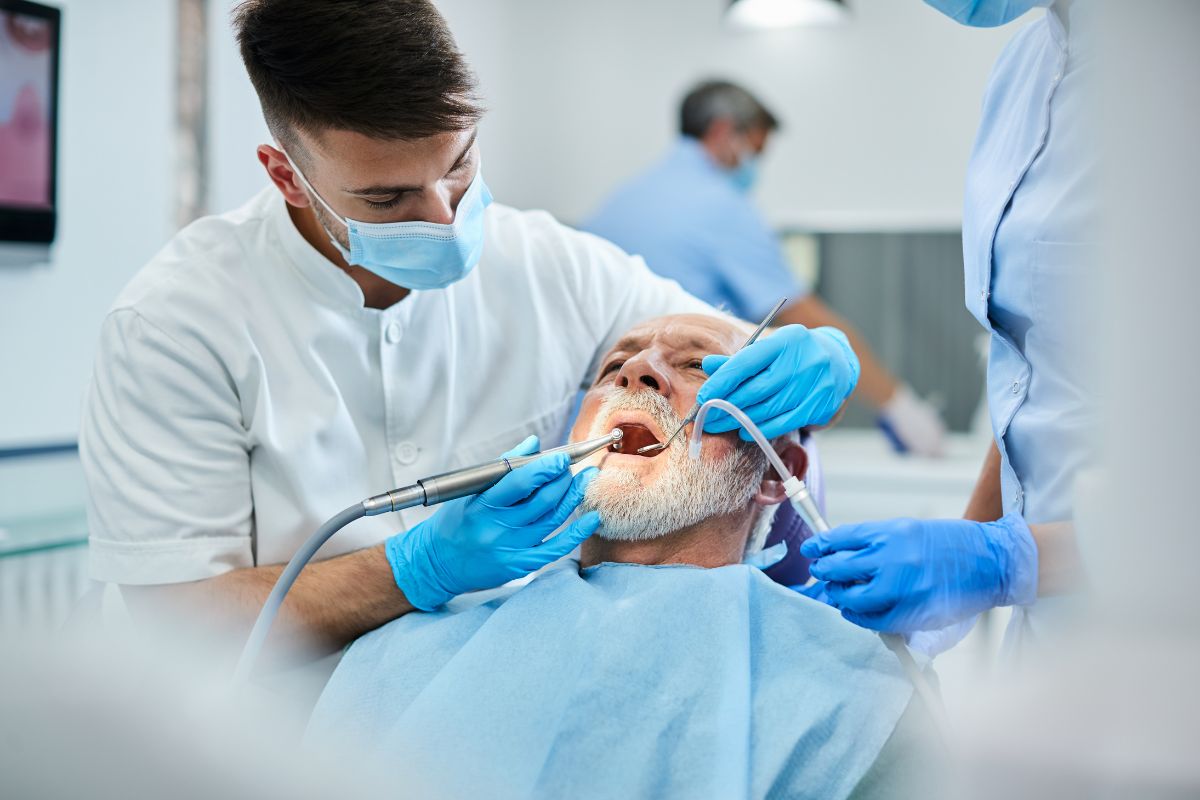
Introduction: Dentistry as an Art and a Science
When we hear the word dental, our minds often jump to routine cleanings, the hum of a drill, or the nervous anticipation of a root canal. Yet the world of dentistry is far richer and more nuanced than most imagine. Modern dental care marries artistry with cutting-edge science, preventive strategies with restorative solutions, and tradition with innovation. It plays a critical role in overall well-being, far beyond aesthetics or cavity repair. In this article, we explore how dentistry has evolved, the scope of contemporary dental practice, and why oral health deserves a place at the center of our wellness journey.
The Expanding Landscape of Dental Services
Dentistry today is not confined to fillings and extractions. It encompasses a wide range of preventive, restorative, and cosmetic services designed to promote long-term oral health and enhance quality of life. Key areas include:
-
Preventive Dentistry: Routine check-ups, professional cleanings, fluoride treatments, and patient education on oral hygiene techniques.
-
Restorative Dentistry: Treatment of decay and damage through fillings, crowns, bridges, and root canals to restore function and integrity.
-
Cosmetic Dentistry: Teeth whitening, veneers, bonding, and contouring to improve the visual appeal of the smile.
-
Periodontics: Care of the gums and bone structures supporting the teeth, crucial for preventing tooth loss.
-
Orthodontics: Correction of misaligned teeth and bites through braces or clear aligners, benefitting both aesthetics and functionality.
-
Oral Surgery: Procedures such as wisdom tooth removal, dental implants, and corrective jaw surgery.
By offering comprehensive care under one roof, modern dental practices aim to simplify the patient journey and encourage proactive oral health management.
The Preventive Paradigm: Beyond Crisis Care
Historically, many patients sought dental care only when experiencing pain or visible issues. Today’s dental philosophy has shifted toward prevention, rooted in the understanding that early intervention reduces the need for invasive treatment later. Preventive care encompasses regular examinations, digital imaging to detect hidden decay, and personalized advice on diet and hygiene.
Dentists also emphasize patient education, teaching proper brushing and flossing techniques, discussing lifestyle choices that affect oral health—like smoking cessation and balanced nutrition—and explaining how conditions like diabetes can impact gum disease risk. By positioning the patient as an active participant, dentistry moves from reactive to proactive care.
Aesthetics and Confidence: The Rise of Cosmetic Dentistry
A confident smile is often described as a universal language. The growing popularity of cosmetic dentistry reflects a societal recognition of the profound psychological and social benefits of a beautiful smile. Beyond superficial vanity, treatments like teeth whitening, bonding, and porcelain veneers can help individuals feel more self-assured in professional and personal settings.
Additionally, advancements in materials and techniques allow cosmetic treatments to be minimally invasive and remarkably natural-looking. The blend of artistry and technical precision is what sets cosmetic dentistry apart, transforming not just teeth but lives.
Technological Innovation: Dentistry in the Digital Age
Dental care has seen remarkable technological progress, enhancing precision, comfort, and patient outcomes. Examples include:
-
Digital Impressions: Replacing messy traditional molds with quick, accurate scans.
-
CAD/CAM Technology: Designing and crafting crowns and restorations on-site, often in a single visit.
-
Cone Beam CT Scans: Providing 3D imaging for detailed treatment planning, particularly in implantology and orthodontics.
-
Laser Dentistry: Offering minimally invasive alternatives for gum reshaping, cavity treatment, and soft tissue procedures.
-
Intraoral Cameras: Allowing patients to see exactly what the dentist sees, fostering trust and understanding.
By integrating technology thoughtfully, dental practices not only increase efficiency but also empower patients through clearer communication and greater comfort.
Oral Health and Overall Wellness: A Vital Connection
The mouth is more than an isolated system; it is a gateway to the body. Research increasingly links oral health to systemic conditions such as heart disease, diabetes, respiratory infections, and adverse pregnancy outcomes. Gum inflammation, for instance, may exacerbate chronic conditions elsewhere in the body.
Understanding this connection underscores why dental care is an essential component of holistic wellness. It also motivates interdisciplinary collaboration between dentists, physicians, and other healthcare providers to ensure comprehensive patient care.
The Patient Experience: From Anxiety to Trust
Dental anxiety remains a significant barrier to care for many individuals. Recognizing this, modern dental practices focus heavily on patient comfort and experience. This may include:
-
Warm, inviting office designs that feel less clinical and more calming.
-
Clear, empathetic communication to demystify procedures.
-
Sedation options for those with heightened anxiety.
-
Flexible appointment scheduling and follow-up support.
By fostering trust and reducing fear, dental professionals encourage patients to seek timely care, ultimately leading to better long-term outcomes.
Sustainability and Social Responsibility in Dentistry
An often overlooked but growing area of focus in dentistry is environmental and social responsibility. Many practices are:
-
Reducing single-use plastics.
-
Incorporating digital records to cut paper waste.
-
Sourcing eco-friendly materials for restorations.
-
Participating in community outreach, offering free screenings or services to underserved populations.
This holistic view reflects dentistry’s evolving identity—not just as a clinical practice but as a profession rooted in ethical and community-minded values.
Conclusion: Dentistry as a Catalyst for Lifelong Wellness
Dentistry today is a dynamic, patient-centered discipline that blends art, science, and compassion. Far beyond treating decay, it helps people smile with confidence, manage chronic conditions, and embrace healthier lifestyles. In a world increasingly aware of the link between oral and systemic health, dental care stands as a vital, transformative force—one that shapes not only our smiles, but our entire well-being. Through innovation, prevention, and a commitment to patient-centered care, dentistry continues to redefine what it means to truly care for a person, one smile at a time.