

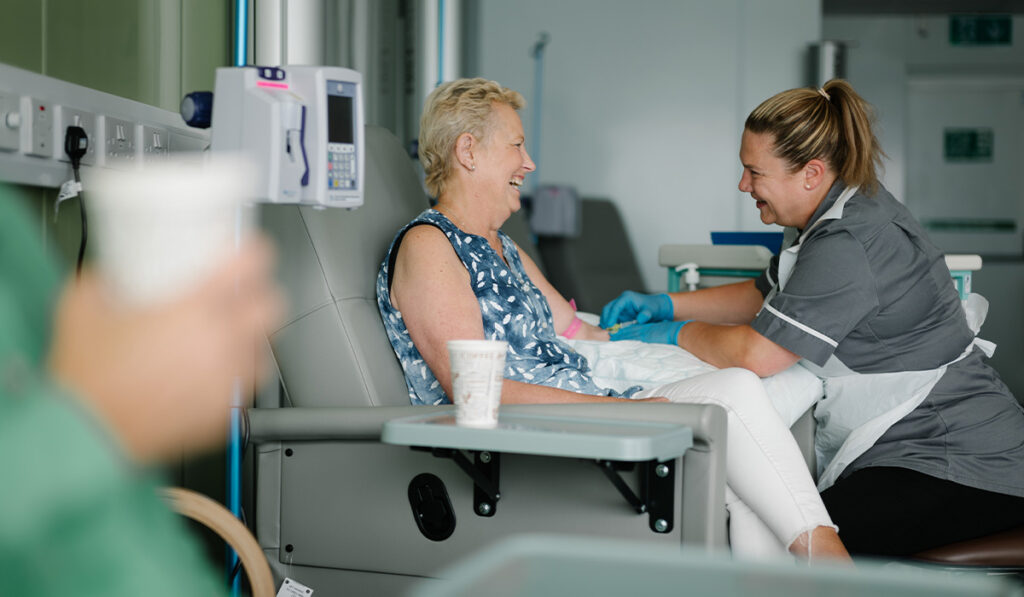
When people think about healthcare, large hospitals and major surgical centers often come to mind first. However, the true backbone of daily medical treatment in local communities consists of primary care clinics, outpatient facilities, urgent care centers, and neighborhood health hubs. These facilities serve as the initial point of contact for the vast majority of medical needs, playing an indispensable role in maintaining long-term wellness, preventing disease progression, and ensuring that healthcare remains accessible to everyone.
Understanding how local medical clinics function within the broader healthcare ecosystem highlights their vital contributions to public health. From managing ongoing chronic conditions to providing routine preventative care, clinics offer personalized, continuous support that keeps populations healthier and relieves pressure on emergency services.
Bridging the Gap Between Emergency Services and Routine Wellness
The medical landscape is divided into different tiers of care, each designed to handle specific health challenges. Major hospital emergency rooms are equipped with specialized equipment and trauma teams tasked with handling life-threatening crises such as severe accidents, strokes, and heart attacks. Using these high-intensity resources for basic illnesses or minor injuries creates unnecessary costs and operational bottlenecks.
Primary care and community clinics fill this vital middle ground by managing non-emergency healthcare needs efficiently. They provide immediate assistance for common ailments like respiratory infections, minor burns, sprains, and routine skin conditions. By addressing these concerns promptly in a localized setting, clinics ensure that emergency rooms remain clear and prepared for severe life-or-death situations.
Immediate Accessibility and Flexible Hours
Unlike traditional hospital networks that may require weeks or months to secure a specialist appointment, neighborhood clinics prioritize fast, flexible access. Many offer extended evening hours, weekend availability, and walk-in scheduling. This accessibility allows working adults, parents, and elderly individuals to seek care without disrupting their daily commitments or delaying necessary medical attention.
Reducing Financial Strain on Patients
Seeking non-emergency treatment at a hospital emergency department often results in substantial medical bills due to facility overhead fees. Clinics operate with leaner administrative structures, offering transparent pricing and significantly lower consultation costs. This affordability encourages individuals to address health issues early rather than waiting until a condition deteriorates into a costly medical emergency.
The Foundations of Preventative Healthcare
Preventative medicine is widely recognized as the most effective approach to reducing long-term healthcare costs and improving overall quality of life. Clinics serve as the primary engine for preventative health measures, providing communities with essential screenings, vaccinations, and routine examinations.
- Routine Health Screenings: Clinics regularly perform basic diagnostic tests, including blood pressure checks, cholesterol panels, blood glucose monitoring, and cancer screenings. Early detection of minor physiological shifts allows doctors to intervene long before serious health issues develop.
- Immunization Programs: From seasonal influenza shots to standard childhood vaccinations and travel immunizations, clinics manage public health defense systems by keeping community vaccination rates high.
- Annual Wellness Exams: Regular physical examinations give clinicians the opportunity to establish baseline health metrics, assess lifestyle factors, and offer tailored guidance on nutrition, exercise, and stress management.
By placing an emphasis on proactive care rather than reactive treatment, primary care clinics empower individuals to take active control of their physical well-being.
Continuous Care for Chronic Condition Management
Managing ongoing conditions such as type 2 diabetes, hypertension, asthma, arthritis, and cardiovascular disease requires continuous oversight and consistent therapeutic adjustments. Hospitals are structured for acute stabilization rather than long-term management, making community clinics the natural home for chronic disease care.
Personalized Treatment Plans
In a primary care clinic, patients establish ongoing relationships with specific healthcare providers. This continuous doctor-patient relationship enables clinicians to build a detailed understanding of an individual’s medical history, family background, lifestyle habits, and personal preferences. Personalized treatment plans can then be crafted to adapt to the patient’s evolving needs over time.
Medication Management and Monitoring
Chronic conditions frequently require multi-medication regimens that demand careful supervision to prevent adverse drug interactions or side effects. Clinics conduct regular medication reviews, perform routine lab work to assess liver and kidney function, and adjust dosages as needed to ensure optimal treatment outcomes.
Lifestyle Counseling and Behavioral Support
Successfully managing a chronic disease often involves making significant adjustments to daily habits. Clinic staff, including nurses, dietitians, and physician assistants, work directly with patients to provide actionable advice on meal planning, exercise routines, and stress reduction, helping patients maintain a high quality of life despite long-term diagnoses.
Expanding Care Access Through Integrated Services
Modern health clinics have evolved beyond basic examination rooms. Many now offer comprehensive integrated services designed to meet a wide array of patient needs under one roof, simplifying the healthcare experience.
On-Site Diagnostic Capabilities
Many outpatient clinics are equipped with basic diagnostic technology, including digital X-ray equipment, electrocardiogram machines, and point-of-care laboratories. Patients can undergo necessary testing, receive diagnostic interpretations, and start an appropriate treatment plan during a single visit, eliminating the need to travel to third-party facilities.
Behavioral and Mental Health Integration
Recognizing the strong link between physical and mental health, many primary clinics now embed licensed behavioral health professionals within their primary care teams. This integrated setup allows patients to receive support for anxiety, depression, substance use disorders, and stress management during their routine medical visits, breaking down the stigma and logistical hurdles associated with mental healthcare.
Telehealth Services
The widespread adoption of virtual care capabilities has further increased clinic accessibility. Telehealth platforms allow clinicians to conduct follow-up consultations, review lab results, discuss medication adjustments, and provide advice for mild symptoms remotely. This convenience is especially valuable for elderly patients, individuals with mobility limitations, and residents living in rural or underserved areas.
Community Health Clinics and Healthcare Equity
Every individual deserves access to quality medical care regardless of income level, employment status, or geographic location. Community health centers and safety-net clinics play a vital role in advancing healthcare equity by delivering care to underrepresented and low-income populations.
These facilities often utilize sliding-scale fee schedules based on household income, ensuring that financial constraints do not prevent people from receiving vital medical services. Additionally, community clinics often tailor their care models to address specific social determinants of health, offering assistance with transportation, language translation, nutrition access, and social service connections.
By providing a reliable safety net, community clinics help narrow health disparities, improve overall public health outcomes, and build stronger, more resilient neighborhoods.
Frequently Asked Questions
What is the primary difference between a primary care clinic and an urgent care center?
Primary care clinics focus on long-term wellness, preventative health screenings, routine physicals, and ongoing management of chronic conditions with a consistent doctor. Urgent care centers specialize in immediate, walk-in treatment for non-life-threatening acute injuries or sudden illnesses that require prompt attention outside of normal business hours.
Can a clinic provider prescribe long-term medications?
Yes, licensed physicians, nurse practitioners, and physician assistants working in clinics can prescribe, manage, and renew medications for both acute conditions and long-term chronic illnesses after performing a proper health evaluation.
How do clinics help lower overall national healthcare costs?
Clinics lower healthcare costs by resolving non-emergency conditions affordably, reducing expensive emergency room visits, and identifying health problems early through preventative care. Catching diseases early prevents costly hospital admissions and intensive treatments later on.
What qualifications do healthcare providers in outpatient clinics have?
Providers in outpatient clinics hold the same credentials and professional licenses as those working in hospitals. Clinic teams are made up of board-certified physicians, advanced practice registered nurses, licensed physician assistants, and certified medical assistants.
How often should an individual visit a primary care clinic for routine care?
Healthy adults should generally schedule an annual wellness visit for a routine check-up, health screenings, and necessary immunizations. Individuals managing chronic conditions like diabetes or high blood pressure may need to visit their clinic three to four times a year for monitoring.
Do primary care clinics offer specialized pediatric and geriatric care?
Many family practice clinics provide comprehensive care across all age groups, from infants to seniors. Additionally, specialized pediatric and geriatric clinics focus specifically on the unique physical, developmental, and medical needs of children and older adults.
What should a patient do if their condition turns out to be more severe than a clinic can handle?
Clinic medical staff are trained to evaluate patient stability quickly. If a patient presents with a severe or life-threatening condition, clinic personnel immediately initiate emergency protocols and arrange for rapid transport via emergency medical services to the nearest hospital emergency department.