

Introduction: Beyond Repetitive Motion
When many people hear the word exercise, they imagine treadmills humming under fluorescent lights, sets and reps counted with mechanical precision, or the daunting pressure to sculpt the “perfect” body. Yet at its core, exercise is far more than a routine to burn calories or build muscle. It is an ancient human instinct to move, stretch, and challenge the body—a dance between strength, grace, and self-awareness. Done with intention, exercise becomes an art of living: a tool to nurture mental clarity, emotional resilience, and a deeper connection with one’s body.
Understanding the Dimensions of Exercise
Modern exercise science recognizes that not all movement serves the same purpose, and that balance among various forms of activity is key. The primary dimensions include:
-
Cardiovascular or Aerobic Exercise: Activities such as running, cycling, swimming, or brisk walking that strengthen the heart and lungs, enhance stamina, and support metabolic health.
-
Strength Training: Resistance-based activities—like weightlifting, bodyweight exercises, or resistance bands—that build muscle, increase bone density, and improve posture.
-
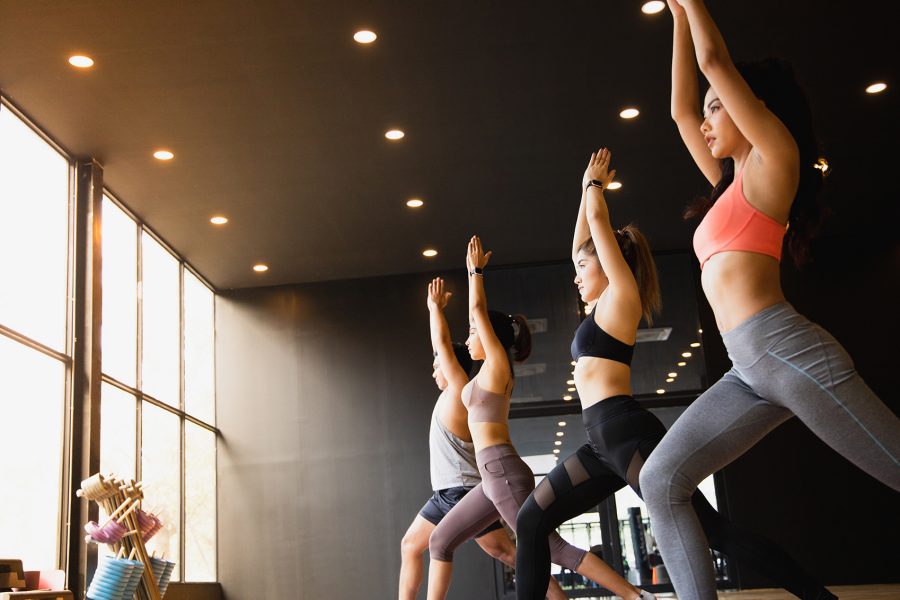
Flexibility and Mobility Work: Practices including yoga, dynamic stretching, or Pilates that maintain joint health, reduce injury risk, and improve range of motion.
-
Balance and Coordination Exercises: Tai chi, dance, or stability ball exercises that support neuromuscular control and agility, especially valuable as we age.
By thoughtfully integrating each type, individuals can cultivate a resilient, balanced body capable of adapting to life’s varied demands.
The Science of Movement: Why It Matters
Decades of research underscore the transformative impact of regular exercise:
-
Enhances cardiovascular health by lowering blood pressure and improving cholesterol profiles.
-
Regulates blood sugar, reducing the risk of type 2 diabetes.
-
Strengthens bones, reducing the likelihood of osteoporosis.
-
Improves mental health by lowering symptoms of depression and anxiety through the release of endorphins and other neurochemicals.
-
Supports cognitive function, with studies linking physical activity to better memory and reduced risk of cognitive decline.
Beyond these measurable benefits, there’s a profound yet often overlooked aspect: exercise as a means to cultivate discipline, self-trust, and presence in the moment.
Exercise for the Mind: Mental and Emotional Gains
Movement is not solely a physical act—it is deeply tied to the mind. Mindful exercise practices, from slow walks in nature to controlled breathing during yoga, act as moving meditations, drawing attention away from stressors and grounding it in the body’s sensations.
Regular exercise can:
-
Enhance mood stability through endorphin release.
-
Improve sleep quality by balancing stress hormones.
-
Build resilience by teaching the body and mind to adapt to discomfort and challenge.
-
Boost self-confidence, not only through aesthetic changes but by demonstrating one’s own capacity for commitment and growth.
These effects ripple into daily life, strengthening emotional resilience and enhancing overall quality of living.
Finding Your Movement Style: Beyond One-Size-Fits-All
One common pitfall is viewing exercise as an obligation rather than an exploration. Sustainable routines emerge when people find joy in movement that aligns with their personality, lifestyle, and goals. Consider:
-
Outdoor Enthusiasts: Hiking, kayaking, or trail running offer fresh air and changing scenery.
-
Social Movers: Group fitness classes, dance, or team sports add a sense of community.
-
Solitude Seekers: Swimming, solo runs, or home-based yoga provide meditative solitude.
-
Structure Lovers: Programs with planned progressions, like strength training or Pilates, satisfy a desire for measurable achievement.
Experimenting with different modalities encourages lifelong engagement rather than fleeting enthusiasm.
Barriers and Bridges: Overcoming Common Obstacles
Even with the best intentions, obstacles can arise:
-
Time Constraints: Opt for shorter, high-intensity interval sessions or integrate movement into daily tasks—like cycling to work or using the stairs.
-
Motivational Lapses: Setting small, realistic goals and celebrating progress can rekindle enthusiasm.
-
Injuries or Limitations: Adapt exercises to fit current capabilities, seek professional guidance, and focus on consistency rather than perfection.
Viewing these challenges not as failures, but as opportunities to refine one’s approach, fosters a resilient mindset.
The Evolving Philosophy of Exercise
In recent years, the cultural narrative around exercise has shifted—from punishment for overindulgence to an act of self-care. The emphasis is gradually moving toward:
-
Function Over Form: Valuing strength, balance, and energy rather than appearance alone.
-
Longevity: Choosing activities that one can practice well into later life.
-
Joy and Playfulness: Rediscovering childlike enjoyment in movement, whether dancing freely or exploring new sports.
This evolution reflects a broader societal trend: valuing holistic well-being over narrow definitions of “fitness.”
Crafting a Personalized Routine: Practical Tips
For those seeking to build or refine their exercise practice, consider:
-
Begin with realistic, specific goals (e.g., walk briskly for 20 minutes, three times a week).
-
Include variety to keep the routine engaging and comprehensive.
-
Prioritize rest and recovery—adequate sleep and active rest days are part of training.
-
Listen to your body: adjust intensity when needed, recognizing the difference between healthy challenge and harmful strain.
-
Reflect regularly on why you exercise, ensuring your motivation remains intrinsic and aligned with your values.
Conclusion: Movement as a Lifelong Companion
At its heart, exercise is less about chasing a destination and more about embracing a lifelong journey. It is a daily dialogue with one’s body, an exploration of its strengths, limits, and potential. Through mindful, balanced, and joyful movement, exercise transcends its utilitarian definition—becoming a profound act of self-respect, vitality, and connection. In this light, the art of movement is not just about adding years to life, but life to years.