

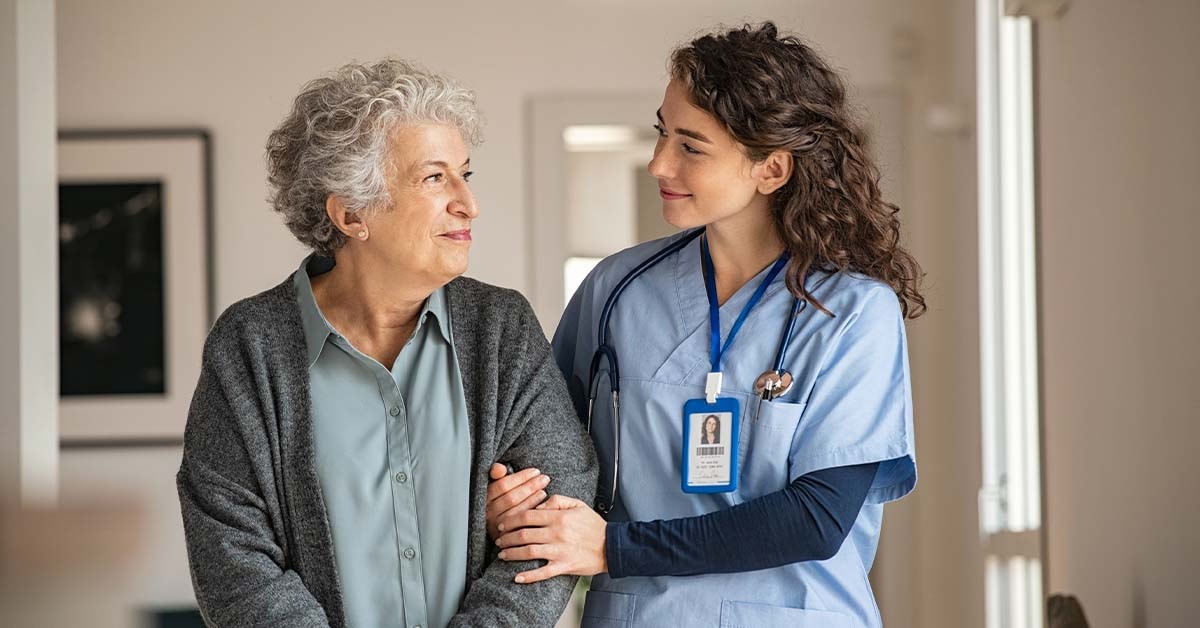
Introduction: Nursing as the Heartbeat of Healing
Nursing is far more than a profession defined by scrubs, charts, and medication rounds. It is an intricate blend of compassion, clinical expertise, and human connection—a discipline where science meets empathy. From bustling emergency rooms to quiet hospice settings, nurses form the backbone of healthcare systems worldwide. Yet their work often transcends what meets the eye. This article delves into the multifaceted world of nursing, exploring its history, daily realities, evolving roles, and the timeless essence that continues to make nursing both an art and a science.
A Brief Journey Through Nursing History
To understand the depth of modern nursing, it helps to appreciate its origins. Historically, caregiving roles were rooted in family and community traditions, often undertaken by women with little formal training. The 19th century marked a turning point, largely due to figures like Florence Nightingale, who championed sanitary reforms and formalized nurse education. Nightingale’s emphasis on observation, data collection, and patient-centered care laid the foundation for nursing as a respected medical discipline. Over time, nursing evolved from bedside care to include leadership, research, education, and policy-making, reflecting its growing complexity and influence.
The Core Responsibilities of Modern Nurses
Today’s nurses wear many hats, balancing clinical precision with emotional intelligence. Their work includes:
-
Clinical Care: Monitoring vital signs, administering medications, dressing wounds, and coordinating treatments.
-
Patient Advocacy: Ensuring patients’ voices are heard in treatment decisions and protecting patient rights.
-
Health Education: Teaching patients and families about disease prevention, medication management, and lifestyle changes.
-
Coordination of Care: Collaborating with doctors, therapists, and social workers to ensure holistic patient care.
-
Emotional Support: Providing comfort to patients and families during moments of fear, grief, or uncertainty.
These roles require a seamless blend of technical skill and interpersonal warmth, highlighting nursing’s unique position within healthcare.
Specializations: Beyond General Practice
Nursing is remarkably diverse, offering specialized paths to match different interests and skill sets. Common specializations include:
-
Critical Care Nursing: Managing life-threatening conditions in intensive care units.
-
Pediatric Nursing: Caring for infants, children, and adolescents.
-
Oncology Nursing: Supporting cancer patients through diagnosis, treatment, and survivorship.
-
Geriatric Nursing: Addressing the complex needs of older adults.
-
Mental Health Nursing: Focusing on psychiatric care and emotional well-being.
-
Community Health Nursing: Promoting wellness and disease prevention at the community level.
This variety not only enriches the profession but also ensures that patient care is responsive to a wide spectrum of health needs.
The Science Behind the Care
While nursing is deeply humanistic, it is firmly grounded in scientific knowledge. Nurses must master subjects such as anatomy, pharmacology, microbiology, and pathophysiology. Evidence-based practice guides clinical decisions, ensuring that care strategies are backed by the latest research. For instance:
-
Using data to reduce hospital-acquired infections.
-
Applying protocols to prevent pressure ulcers in bedridden patients.
-
Educating patients on evidence-supported lifestyle interventions.
By integrating science into everyday practice, nurses bridge the gap between research and real-world patient care.
Technology’s Transformative Influence
The digital age has redefined nursing practice in profound ways:
-
Electronic Health Records (EHRs): Enhancing accuracy and accessibility of patient data.
-
Telehealth: Extending nursing care to remote and underserved populations.
-
Simulation Labs: Providing realistic training scenarios for nursing students.
-
Mobile Apps and Wearables: Supporting patient self-monitoring and chronic disease management.
Technology supports efficiency and safety, yet nurses remain essential in interpreting data, addressing emotional needs, and delivering personalized care.
The Emotional Landscape of Nursing
Nursing is as emotionally demanding as it is intellectually rigorous. Nurses witness human vulnerability daily—moments of birth, suffering, recovery, and death. This proximity to life’s fragility requires resilience and reflective practice. Strategies to nurture well-being among nurses include:
-
Peer Support: Debriefing sessions and shared reflections.
-
Mindfulness and Stress Reduction: Techniques to stay present and reduce burnout.
-
Continuing Education: Professional growth as a source of renewal and purpose.
By caring for themselves, nurses sustain their capacity to care deeply for others.
Challenges and Advocacy in Modern Nursing
Despite its vital role, nursing faces significant challenges:
-
Staffing shortages leading to high workloads.
-
Workplace violence and safety risks.
-
Emotional toll contributing to burnout and turnover.
-
The need for policy changes to expand nursing roles in primary care.
Professional organizations and nurse leaders advocate for solutions, emphasizing fair staffing ratios, mental health support, and expanded autonomy through advanced practice roles.
The Future of Nursing: A Vision of Integrated Care
Looking ahead, nursing will continue to evolve alongside changes in healthcare delivery. Trends include:
-
Interdisciplinary Collaboration: Greater teamwork with physicians, pharmacists, and social workers.
-
Personalized Medicine: Nurses playing a role in tailoring care plans based on genetic and lifestyle data.
-
Community-Based Care: Shifting focus from hospital-centric care to preventive services in homes and communities.
-
Leadership and Policy Influence: Nurses shaping healthcare reform and public health initiatives.
At its heart, nursing will remain anchored in its commitment to human dignity and compassionate care.
Conclusion: Nursing as a Timeless Calling
In every era, nursing has stood as a testament to humanity’s highest ideals—empathy, courage, and service. Whether guiding a patient through recovery, supporting a family in crisis, or advancing research that shapes future care, nurses blend technical mastery with profound compassion. Beyond the clinical tasks and medical knowledge, nursing’s true essence lies in its capacity to see each patient not as a case, but as a human being. In this way, nursing continues to be both a noble vocation and a dynamic force at the very heart of healing.