

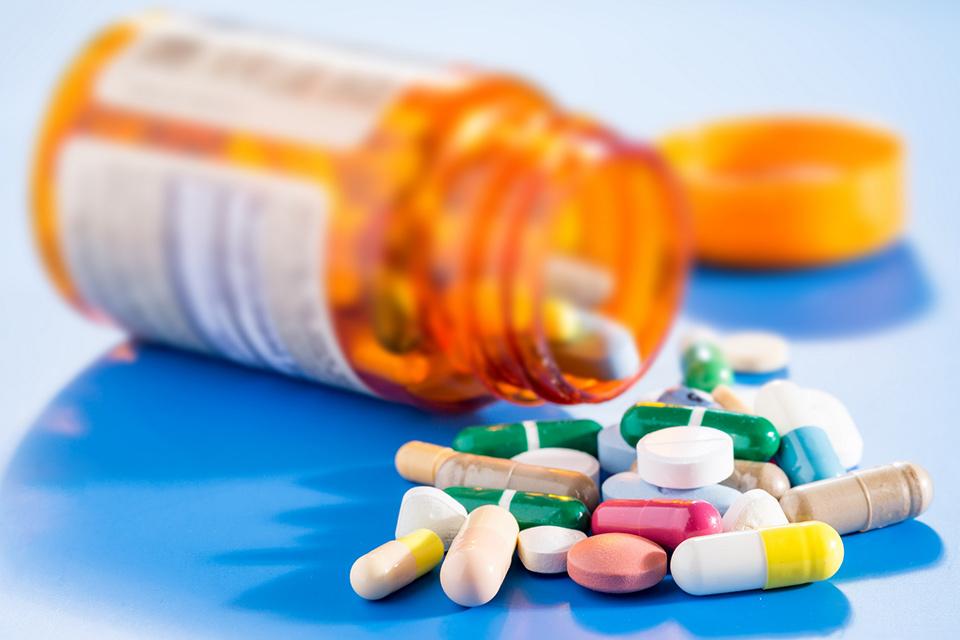
Taking prescription and over-the-counter medications correctly is essential for treating illnesses, managing chronic conditions, and maintaining long-term health. While modern pharmaceuticals offer incredible therapeutic benefits, misusing them or failing to follow instructions can lead to treatment failure, severe side effects, or dangerous drug interactions.
Managing medications safely requires active participation, clear communication with healthcare providers, and an organized approach to daily health routines.
Reading and Understanding Your Medication Label
The medication label is your first line of defense against dosing errors and preventable drug complications. Prescription labels and over-the-counter Drug Facts panels contain vital information that must be reviewed carefully before taking any dose.
- Active Ingredients: This section lists the core chemical components responsible for treating your symptoms. Checking active ingredients prevents accidental double-dosing when taking multiple medications simultaneously.
- Directions and Dosage: This specifies exactly how much medicine to take, how often to take it, and the duration of treatment. Pay close attention to timing, such as every eight hours versus three times a day.
- Warnings and Cautions: This critical area outlines potential side effects, activities to avoid, such as driving or operating heavy machinery, and specific medical conditions that might make the drug unsafe for you.
- Expiration Date: Using expired medication can be ineffective or dangerous, as chemical compounds degrade over time and may harbor bacterial growth.
If any portion of a prescription label is unclear or printed in a way that is difficult to read, ask your pharmacist to print a clearer label or explain the instructions before you leave the pharmacy.
Communicating Effectively with Healthcare Providers
Clear communication with your doctors, physician assistants, and pharmacists ensures that your complete health picture is considered before a new drug is introduced. Healthcare providers rely on the information you supply to select the proper dosage and avoid harmful interactions.
Always maintain an updated list of every substance you take. This list should include:
- Prescription drugs provided by any medical specialist.
- Over-the-counter medications used regularly, such as pain relievers, allergy pills, or antacids.
- Dietary supplements, including vitamins, minerals, and herbal products.
When a physician prescribes a new medication, take an active role in your treatment by asking targeted questions. Inquire about the primary purpose of the medication, how quickly you should expect results, and what specific steps to take if you miss a scheduled dose. Additionally, disclose any history of drug allergies, adverse reactions, or current pregnancy or nursing status.
Best Practices for Dosing and Administration
Accurate administration is essential to ensure that a drug reaches the correct concentration in your body to treat your condition effectively. Even small variations in timing or dosage measurement can alter a medication’s safety and effectiveness.
Measuring Liquid Medications
Never use standard household kitchen spoons to measure liquid prescriptions. Kitchen cutlery varies significantly in size and can easily lead to underdosing or overdosing. Always use the specialized measuring device supplied with the medication, such as an oral syringe, a calibrated dosing cup, or a cylindrical spoon.
Timing and Food Guidelines
Follow instructions regarding food intake precisely. Some medications require food to reduce stomach irritation or enhance chemical absorption into the bloodstream. Other drugs must be taken on an empty stomach because food components, like calcium or iron, can bind to the drug particles and prevent proper absorption.
Adhering to the Schedule
Establishing a consistent daily routine helps prevent missed doses. Pairing medication times with established daily habits, such as brushing your teeth or eating breakfast, creates natural visual triggers. If you miss a dose, never double up on your next scheduled dose unless explicitly directed to do so by a healthcare provider.
Managing Drug Interactions and Adverse Reactions
Drug interactions occur when a medication reacts with another substance, altering how the drug works in the body or causing unexpected harm. Understanding potential triggers helps prevent severe health complications.
Drug-to-Drug Interactions
Taking two or more drugs that affect the same body system can cause compounding effects or cancel out therapeutic benefits. For instance, combining blood thinners with common nonsteroidal anti-inflammatory drugs like ibuprofen significantly increases the risk of internal bleeding.
Drug-to-Food and Drink Interactions
Certain foods interfere directly with drug metabolism. Grapefruit juice, for example, inhibits enzymes in the digestive tract responsible for breaking down specific statins and blood pressure drugs, leading to dangerously high drug levels in the bloodstream. Similarly, consuming alcohol while taking sedatives, antibiotics, or pain relievers can cause severe liver strain, extreme drowsiness, or respiratory depression.
Handling Side Effects
Pay attention to how your body responds after starting a new therapeutic regimen. Mild side effects, such as temporary nausea or minor dry mouth, often subside as your body adjusts. However, severe symptoms, including difficulty breathing, skin rashes, swelling of the face or throat, or sudden dizziness, require immediate emergency medical evaluation.
Safe Storage and Proper Disposal Techniques
Storing medications correctly preserves their potency, while proper disposal protects your household and the surrounding environment.
Optimal Storage Environments
Heat, light, and moisture can break down chemical compounds rapidly, reducing their potency before the printed expiration date. Despite the common term “medicine cabinet,” the bathroom is often the worst place to store drugs due to high heat and humidity from showers. Instead, store medications in a cool, dry place away from direct sunlight, such as a tall kitchen cabinet or a dedicated drawer in a bedroom.
Household Safety
Keep all medications stored in their original child-resistant containers and locked away out of the reach and sight of young children and pets. Never refer to medicine as candy when speaking to children, as this creates a dangerous misconception.
Responsible Disposal Methods
Proper disposal prevents accidental ingestion by family members and protects community water supplies from pharmaceutical contamination.
- Drug Take-Back Programs: The safest way to dispose of unwanted or expired medication is through local drug take-back events or permanent disposal kiosks located in community pharmacies and police stations.
- Trash Disposal: If no take-back program is accessible, mix unused pills with an undesirable substance, such as coffee grounds or cat litter. Place the mixture in a sealed plastic bag and throw it into your household trash. Scratch out all personal information on the prescription label before discarding the empty container.
- Flushing: Only flush medications down the toilet if the drug packaging specifically includes explicit flushing instructions and no take-back options are available.
Frequently Asked Questions
How should prescription medications be packed when traveling by air internationally?
Keep all prescription medications in their original, clearly labeled pharmacy bottles inside your carry-on baggage rather than checked luggage. Carry a written doctor note or copy of your prescriptions outlining your conditions and required treatments. Research the destination country drug regulations beforehand, as certain common prescriptions, such as specific pain relievers or ADHD medications, are restricted or prohibited in foreign jurisdictions.
Is it safe to cut tablets in half or crush pills to make them easier to swallow?
You should only split or crush pills if the tablet has a visible score line down the middle or if a pharmacist explicitly confirms it is safe. Crushing extended-release, sustained-release, or enteric-coated tablets destroys their specialized delivery mechanisms, releasing a full dose into your system all at once and causing severe toxicity or side effects.
What immediate steps should be taken if a child accidentally ingests adult medication?
If a child ingests adult medicine, immediately contact the national Poison Help hotline or local emergency medical services. Do not try to induce vomiting unless instructed to do so by a medical professional. Keep the medication container nearby so you can read the exact active ingredients, dosage strengths, and estimated amount consumed to the emergency responder.
How do seasonal temperature extremes impact mail-order prescription deliveries?
Mail-order prescriptions exposed to extreme summer heat or freezing winter temperatures inside metal mailboxes can lose efficacy or degrade rapidly. If you receive mail-order drugs, monitor delivery tracking closely to retrieve packages immediately upon arrival. For temperature-sensitive medications like insulin or biologics, ensure the pharmacy ships them in insulated packaging with appropriate cooling gel packs.
Why do certain liquid medications require vigorous shaking before every dose?
Many liquid medications are formulated as suspensions, meaning the active drug particles are suspended throughout a liquid base rather than fully dissolved. Over time, these solid particles naturally settle at the bottom of the bottle. Shaking the bottle thoroughly before every dose ensures the active medicine is evenly distributed, preventing you from receiving an underdose early in the bottle and a concentrated overdose at the bottom.
How can caregivers safely manage complex schedules for individuals with memory loss?
Caregivers can use automated locked pill dispensers that sound an alarm and release only the appropriate dose at scheduled times. Maintaining a simple written paper log or digital tracking app near the dispensing station allows multiple family members to confirm whether a dose was given, preventing double-dosing caused by short-term memory failure.
Is it safe to consolidate different medications into a single container when traveling?
Consolidating different pills into one container increases the risk of taking the wrong medication and can cause chemical cross-contamination. Additionally, law enforcement and airport security officials in many regions require prescription drugs to remain in their original pharmacy containers clearly displaying the patient name and doctor instructions.