

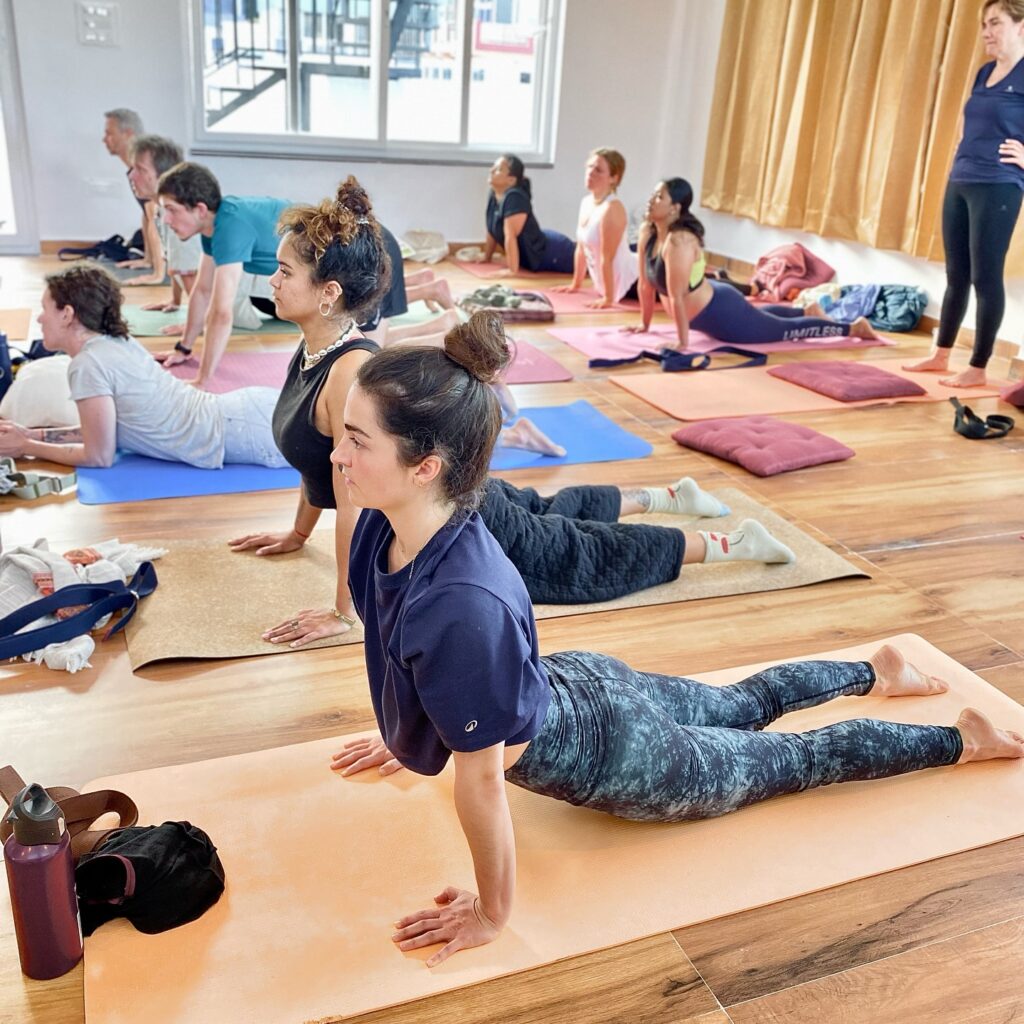
Back stiffness and daily stress often appear together, particularly for adults who spend long hours sitting, commuting or concentrating on screens. The sensations may be uncomfortable, but stiffness does not automatically mean the spine is damaged or needs forceful correction.
Convenient yoga classes near me can provide regular movement and a structured pause without adding a difficult journey to an already demanding day. Yoga is not a universal treatment for back pain or psychological distress, yet appropriately selected classes may help adults explore movement, reduce prolonged inactivity and build confidence using the back.
Stiffness Is a Sensation, Not a Diagnosis
People often describe the back as tight, locked or compressed. These words communicate a real experience, but they do not identify one specific tissue or cause. Sleep, stress, fatigue, prolonged positioning and unfamiliar exercise can all influence stiffness.
This distinction matters because aggressive stretching is not always the answer. Gentle movement, warmth, walking or a change in position may alter the sensation. Persistent, worsening or severe symptoms require appropriate clinical assessment.
Stress Can Change Movement Experience
Stress can affect breathing, muscle tension, attention and pain sensitivity. A difficult day may make familiar sensations feel more intense. This does not mean discomfort is imaginary. It means movement experience is shaped by several physical and psychological factors.
A yoga class creates a defined period in which the practitioner can shift attention from work demands to manageable movement. That change in context may help some people feel less guarded, even when the underlying workload still needs practical attention.
Location Determines Whether the Pause Happens
A class can be well designed and still fail as a stress-management routine if reaching it requires a long, uncertain journey. Traffic, crowded transport and the fear of arriving late may offset the intended benefit.
A studio close to home or work makes the transition simpler. Adults can select the location according to the strongest habit cue, such as leaving the office or finishing household responsibilities. Convenience increases the chance that the pause survives a busy week.
Begin With General Movement
Back-focused classes sometimes start by stretching the area that feels stiff. A broader warm-up may be more comfortable. Walking, supported squats, shoulder movement and gentle pelvic shifts help the whole body transition out of sitting.
The back can then move through flexion, extension, rotation and side bending within tolerable ranges. There is no requirement to maximise each direction. The goal is to reintroduce options and observe how the body responds.
Strength Supports Spinal Confidence
Adults with stiffness may avoid loading the back because they fear making it worse. Appropriate strength work can show that the torso is capable of supporting movement. Bridge variations, bird-dog patterns, controlled lunges and modified side planks are possible examples.
The exercise should match current capacity. Strength develops through progressive exposure, not a single exhausting session. If symptoms increase substantially during or after class, the variation, volume or class type may need adjustment.
Breathing Should Remain Flexible
Yoga often uses deliberate breathing to organise pace. Slow exhalations may feel calming, but no breathing count suits every person. Forcing a deep breath can create tension or dizziness, particularly when someone is anxious.
Participants can allow the breath to become quieter gradually. The ribcage and spine naturally move with breathing, so positions that feel supported may make this easier. People with respiratory or cardiovascular conditions should follow relevant medical guidance.
Forward Bending Is Not Automatically Harmful
Some adults become fearful of spinal flexion after experiencing back pain. The spine normally flexes during sitting, dressing and many daily activities. Avoiding it permanently can narrow movement confidence.
Yoga can reintroduce forward bending with adjustable load. Bending the knees, placing hands on blocks or practising from a chair changes the demand. The suitable range is the one that feels controlled and does not provoke concerning symptoms.
Backbends Need Shared Movement
Trying to reverse desk posture with a very deep backbend can concentrate pressure in the lower back. A more balanced setup allows the hips, upper back and shoulders to contribute.
Low bridge, supported sphinx and standing reach variations can introduce extension gradually. The practitioner should be able to breathe, maintain muscular support and exit without collapsing. Greater depth is not automatically more therapeutic.
Twists Should Not Be Leveraged Aggressively
Gentle rotation can feel refreshing after screen-facing work, but using the arms to force a twist may exceed the range the trunk can control. The pelvis and legs can be supported so rotation is shared comfortably.
Small active rotations are often enough. The movement should stop before sharp pain, pinching or radiating sensations. Practitioners do not need to make the shoulders line up with a visual target.
Class Intensity Must Match the Day
Stress can create an urge for a very hard workout as an emotional release. That choice may suit some days, but intense practice still adds physical load. Poor sleep and inadequate food can make recovery more difficult.
On demanding days, a moderate flow or recovery-oriented class may offer movement without substantial fatigue. The ability to choose among formats is more sustainable than treating maximum effort as the only worthwhile option.
Group Practice Can Reduce Decision Fatigue
Following clear instruction means the practitioner does not have to design a session after making decisions all day. The class supplies sequence, timing and transitions. This structure can make movement more accessible when mental energy is low.
Instruction should still preserve autonomy. Participants need permission to pause, modify or skip movements. A class becomes another source of stress if people feel compelled to keep up despite discomfort.
Regular Attendance Builds a Movement Baseline
An occasional class may provide short-term relief, but regular practice offers repeated exposure to movement and strength. Practitioners learn which variations help after sitting, which sensations settle with warming up and when rest is more appropriate.
This knowledge reduces uncertainty. It does not guarantee that stiffness will disappear, but it can prevent every episode from feeling unfamiliar or alarming. Confidence is a meaningful outcome even when sensation varies.
Daily Movement Still Matters
One weekly class cannot replace movement throughout the rest of the week. Short walks, position changes and brief mobility breaks reduce the duration spent in one posture.
These actions do not need to form a complicated corrective routine. Standing during a call or walking after lunch may be enough to add variety. Yoga can teach options that adults then use informally during daily life.
Recognise Symptoms That Need Assessment
Yoga is not the right response to every back symptom. New bowel or bladder changes, marked weakness, numbness in the saddle area, significant trauma, fever or rapidly worsening pain require prompt medical attention.
Pain that persists, repeatedly interrupts sleep or limits normal activity also deserves professional review. An instructor can modify a class but should not diagnose the cause or promise a cure.
Evaluate the Teaching Approach
Adults considering Yoga Edition can review whether a class level and pace suit their movement history. They can also tell the instructor privately about relevant limitations and ask how rest or modifications are handled.
Helpful teaching avoids fear-based claims and explains the purpose of variations. The practitioner should leave with more understanding of the body, not a list of ordinary movements they have been taught to fear.
Make Relief Part of a Wider Strategy
Back stiffness and stress are influenced by more than exercise. Workload, sleep, workstation setup, movement variety, health and recovery all matter. Yoga can support these areas but cannot replace organisational changes or medical care when those are needed.
A nearby class is valuable because it makes supportive movement easier to repeat. The best outcome is not a perfectly flexible spine. It is greater comfort, confidence and choice across the demands of ordinary life.
Frequently Asked Questions
Is yoga safe when my lower back feels stiff?
Gentle, appropriately scaled movement is often tolerated, but the answer depends on symptoms and medical history. Seek assessment for severe, worsening or neurological symptoms.
Which yoga class type is best for back stiffness?
A beginner-friendly, mobility or moderate class with clear variations may be suitable. Class intensity should match experience and current symptoms.
Should I avoid forward bends if I have back discomfort?
Not automatically. Forward bending can be scaled with bent knees, blocks or a chair. Individual clinical advice takes priority when a condition has been diagnosed.
Can yoga eliminate work-related stress?
Yoga may provide movement and a structured pause, but it cannot resolve excessive workload, conflict or unhealthy working conditions by itself.
How often should I practise for stiffness?
One to three classes weekly may suit many adults, combined with regular daily movement. Frequency should reflect class demand, recovery and symptom response.
Why does my back sometimes feel tighter after class?
Unfamiliar loading, excessive range or fatigue may contribute. Review class intensity and technique, and seek professional advice if symptoms persist or worsen.